
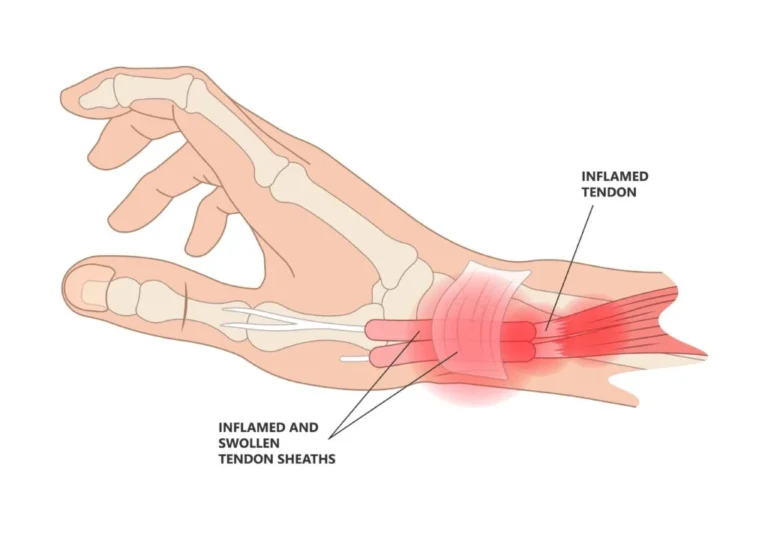
Pain around the thumb and wrist can make even simple daily tasks like holding a cup, writing, or lifting a child difficult. One of the most common causes of this discomfort is De Quervain’s tenosynovitis, a condition that affects the tendons on the thumb side of the wrist. Fortunately, with early diagnosis and expert physiotherapy, recovery is possible without surgery in many cases.
If you are looking for De Quervain Tenosynovitis Treatment in Gurgaon, professional physiotherapy offers a safe, non-invasive, and highly effective solution to reduce pain, improve mobility, and restore normal hand function.
What is De Quervain’s Tenosynovitis?
De Quervain’s tenosynovitis is an inflammatory condition affecting the tendons responsible for moving the thumb. When these tendons become irritated, the protective sheath surrounding them thickens, making tendon movement painful and restricted.
The condition commonly affects individuals who perform repetitive hand and wrist movements, including office workers, athletes, homemakers, musicians, and new mothers who frequently lift their babies.
Common Symptoms
Some common signs of De Quervain’s tenosynovitis include:
- Pain near the base of the thumb
- Swelling around the wrist
- Difficulty gripping or pinching objects
- Pain while turning door handles or opening jars
- Clicking sensation during thumb movement
- Reduced thumb strength
- Pain that worsens with repetitive activities
Ignoring these symptoms may lead to prolonged inflammation and reduced hand function.
Causes and Risk Factors
Several factors can contribute to the development of De Quervain’s tenosynovitis:
- Repetitive thumb and wrist movements
- Sports involving racquets or bats
- Frequent lifting of infants
- Typing or prolonged computer use
- Gardening and household chores
- Previous wrist injuries
- Arthritis
- Pregnancy and hormonal changes
Early treatment helps prevent chronic pain and long-term complications.
How Physiotherapy Helps
Physiotherapy is considered one of the most effective conservative treatments for this condition. A customized rehabilitation program focuses on reducing inflammation while restoring normal tendon movement.
Treatment may include:
- Comprehensive physical assessment
- Pain management techniques
- Manual therapy
- Soft tissue mobilization
- Therapeutic ultrasound
- Laser therapy
- Stretching exercises
- Strengthening exercises
- Thumb stabilization techniques
- Ergonomic advice
- Activity modification
- Home exercise program
These treatments promote healing while reducing stress on the affected tendons.
Benefits of Early Physiotherapy
Starting treatment early offers several advantages:
- Faster pain relief
- Reduced inflammation
- Improved thumb mobility
- Better grip strength
- Prevention of chronic tendon damage
- Avoidance of surgery in many cases
- Quicker return to work and sports
- Improved quality of life
Who Can Benefit?
Physiotherapy is suitable for:
- Office professionals
- Students
- Homemakers
- New mothers
- Athletes
- Gym enthusiasts
- Musicians
- Senior citizens
- Factory workers
- Anyone experiencing persistent thumb or wrist pain
Prevention Tips
Preventing De Quervain’s tenosynovitis involves reducing repetitive strain on the wrist.
Helpful tips include:
- Take regular breaks during repetitive tasks.
- Maintain proper wrist posture.
- Perform stretching exercises before activities.
- Strengthen wrist and thumb muscles.
- Use ergonomic workstations.
- Avoid excessive force while gripping.
- Lift objects using both hands whenever possible.
Small lifestyle modifications can significantly reduce the risk of recurrence.
Why Choose Professional Physiotherapy?
Experienced physiotherapists identify the root cause of wrist pain and create individualized treatment plans based on each patient’s condition and activity level. Modern rehabilitation techniques, combined with evidence-based exercises, help patients recover safely while minimizing the chances of future injuries.
Whether your symptoms are mild or severe, timely intervention can help restore pain-free movement and improve your daily activities.
Conclusion
De Quervain’s tenosynovitis can interfere with everyday life, but effective physiotherapy can provide lasting relief without the need for invasive procedures. A personalized treatment plan focusing on pain management, mobility restoration, and strengthening exercises can help you return to your routine with confidence.
If you’re searching for reliable De Quervain Tenosynovitis Treatment in Gurgaon, consult experienced physiotherapists who offer comprehensive rehabilitation tailored to your individual needs.
FAQs
1. What is De Quervain’s tenosynovitis?
It is an inflammation of the tendons on the thumb side of the wrist, causing pain, swelling, and difficulty moving the thumb.
2. What causes De Quervain’s tenosynovitis?
The condition is commonly caused by repetitive thumb and wrist movements, overuse, pregnancy, arthritis, or previous wrist injuries.
3. Can physiotherapy cure De Quervain’s tenosynovitis?
Yes. In many cases, physiotherapy effectively reduces pain, restores movement, and helps patients recover without surgery.
4. How long does recovery take?
Recovery varies depending on severity but generally takes between 4 and 8 weeks with consistent physiotherapy and proper care.
5. Is surgery always required?
No. Most patients improve with conservative treatments such as physiotherapy, rest, splinting, and activity modification.
6. What exercises help with De Quervain’s tenosynovitis?
Stretching, thumb mobility exercises, wrist strengthening, and tendon gliding exercises are commonly recommended by physiotherapists.
7. Who is most likely to develop this condition?
Office workers, athletes, musicians, new mothers, homemakers, and people performing repetitive wrist movements are at higher risk.
8. Can De Quervain’s tenosynovitis return after treatment?
Yes, recurrence is possible if repetitive strain continues. Following ergonomic advice and prescribed exercises helps reduce the risk.
