
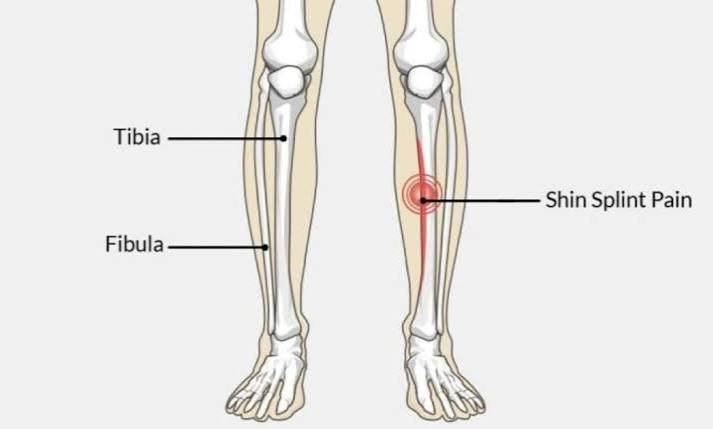
Shin splints are a common lower-leg problem, especially among runners, athletes, dancers, and people who suddenly increase their exercise routine. Medically known as medial tibial stress syndrome, shin splints usually cause pain and tenderness along the inner edge or front of the shinbone. Repetitive stress, sudden changes in training, unsuitable footwear, hard exercise surfaces, and muscle weakness can contribute to the condition.
If you are searching for shin splints in Gurgaon, professional physiotherapy can help identify contributing factors and create a suitable rehabilitation program. A proper assessment may consider your walking or running pattern, muscle flexibility, strength, footwear, activity level, and lower-limb mechanics.
Common Symptoms of Shin Splints
The most common symptom is pain along the shin, which may become more noticeable during or after running, jumping, walking, or other high-impact activities. You may also experience tenderness when touching the affected area and, in some cases, mild swelling. Pain that becomes persistent even after activity should not be ignored because other conditions, including a stress fracture, can cause similar symptoms.
What Causes Shin Splints?
Shin splints commonly develop when the lower legs are exposed to repetitive or excessive stress. Increasing running distance, training intensity, or exercise frequency too quickly can overload the muscles and tissues around the tibia. Running or exercising on hard surfaces, wearing worn-out or inappropriate footwear, and having flat feet or certain foot mechanics may also increase stress on the lower legs.
Physiotherapy for Shin Splints in Gurgaon
Physiotherapy can be an important part of recovery, particularly when symptoms continue or repeatedly return. Treatment is generally individualized according to the person’s symptoms, activity level, strength, flexibility, and movement patterns.
A physiotherapy program may include gentle stretching, strengthening exercises for the calf and lower-leg muscles, mobility exercises, soft-tissue techniques, balance training, and advice about modifying activities. Physiotherapists can also guide patients on gradually returning to running or sports rather than immediately resuming their previous training level.
For people looking for shin splints in Gurgaon, professional assessment can also help identify possible contributing factors such as poor footwear, training errors, muscle imbalance, or unsuitable exercise progression. The goal is not only to reduce current discomfort but also to improve lower-limb strength and movement so that the risk of recurrence is reduced.
Home Care and Prevention
During recovery, avoid activities that reproduce significant pain and consider low-impact alternatives such as swimming or cycling if they are comfortable. Ice may help reduce discomfort, while appropriate stretching and gradual strengthening can support rehabilitation. Supportive footwear and a gradual increase in training load are also important preventive measures.
Do not rush back into intense exercise as soon as the pain improves. Your activity should be increased progressively, allowing your body time to adapt.
When Should You Seek Professional Help?
If shin pain is severe, persistent, worsening, or does not improve with rest and appropriate self-care, consult a healthcare professional or physiotherapist. A proper assessment is particularly important when pain is localized, severe, present at rest, or associated with swelling, because conditions such as stress injuries may need to be ruled out.
If you are experiencing recurring shin pain and need shin splints treatment in Gurgaon, you can explore the physiotherapy services available through Physiotherapist in Gurgaon. A personalized rehabilitation approach can help you work toward comfortable movement and a safe return to your daily activities or sport.
FAQs About Shin Splints in Gurgaon
1. What are shin splints?
Shin splints are exercise-related pain and tenderness around the shinbone, commonly associated with repetitive stress and sudden increases in physical activity.
2. Can physiotherapy help with shin splints?
Yes. Physiotherapy may include stretching, strengthening, mobility work, activity modification, and guidance for a gradual return to exercise.
3. How can I prevent shin splints?
Increase exercise gradually, use suitable supportive footwear, warm up appropriately, vary high-impact activities with lower-impact exercise, and maintain good lower-leg strength and flexibility.
4. Should I continue running with shin splints?
It is generally advisable to stop or modify activities that cause pain while the injury heals. Low-impact exercise may be appropriate if it does not cause discomfort.
5. When should I see a physiotherapist for shin pain?
Consider professional evaluation if your pain persists, worsens, repeatedly returns, or interferes with normal activities. A physiotherapist can assess your movement and develop an individualized rehabilitation plan.
6. Can shin splints become serious?
Shin pain should not always be assumed to be shin splints. Persistent or severe pain can sometimes indicate another problem, such as a stress injury, so professional assessment may be appropriate.
