
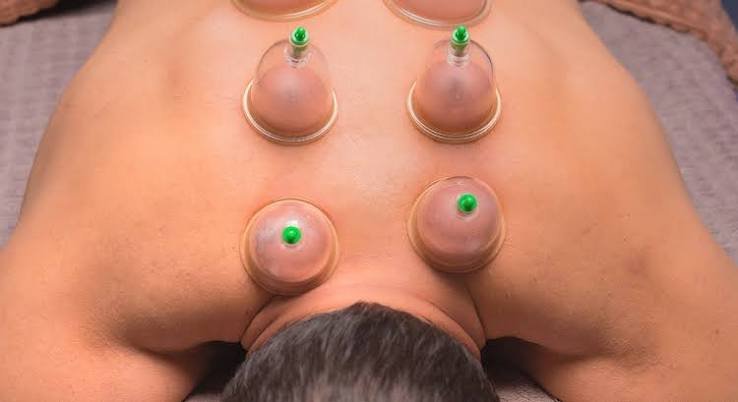
Cupping therapy is an ancient therapeutic practice that is becoming increasingly popular in modern healthcare and physiotherapy. People across India are exploring this technique to manage muscle discomfort, stiffness, sports-related injuries, and physical tension. Cupping Therapy in India is now commonly discussed as a complementary approach to pain management and physical rehabilitation.
This therapy involves placing specially designed cups on the skin to create gentle suction. The suction lifts the skin and underlying soft tissues, which may help improve local blood circulation and temporarily reduce muscle tightness. Depending on an individual’s condition, cupping may be combined with physiotherapy, chiropractic care, stretching, and rehabilitation exercises.
What Is Cupping Therapy?
Cupping therapy is a treatment technique in which special cups are placed on selected areas of the body to create negative pressure. This suction gently pulls the skin and superficial tissues upward rather than applying pressure like traditional massage.
It has been used in traditional healing practices for centuries and is now also incorporated into some modern physiotherapy and wellness programmes. Qualified practitioners select the appropriate technique according to the patient’s medical history, physical condition, and treatment requirements.
Different Types of Cupping Therapy
There are several techniques used in cupping therapy. The most suitable method depends on individual needs and professional assessment.
1. Dry Cupping Therapy
Dry cupping involves placing cups on the skin and creating suction without making any cuts. It is commonly used to address muscle tightness, stiffness, and discomfort.
2. Wet Cupping Therapy (Hijama)
Wet cupping involves creating suction followed by small superficial skin incisions. It requires strict hygiene, sterile equipment, and appropriate professional training because it carries additional risks, including infection and bleeding.
3. Moving Cupping Therapy
In this technique, cups are gently moved across the skin with the help of suitable lubrication. It provides a massage-like sensation and may help temporarily relieve soft-tissue tightness.
4. Fire Cupping Therapy
Fire cupping uses heat to create suction inside specially designed cups. This traditional method requires specialised training and careful precautions to prevent burns.
Potential Benefits of Cupping Therapy
Many people consider cupping therapy as a complementary option for managing muscular discomfort and improving physical relaxation. Potential benefits may include:
- Muscle Relaxation: May help reduce feelings of muscle tightness and stiffness.
- Improved Local Circulation: Suction increases blood flow around the treated area.
- Pain Management: May provide short-term relief for certain types of musculoskeletal discomfort.
- Sports Recovery Support: Some athletes use cupping as part of their recovery routines.
- Improved Mobility: May temporarily help people experiencing restricted movement due to muscle tightness.
- Stress Relief: Some individuals find the treatment relaxing.
It is important to understand that scientific evidence supporting cupping varies by condition. It is not a guaranteed treatment or a cure for underlying medical problems.
Conditions Where Cupping Therapy May Be Used
Depending on professional assessment, cupping may be considered as a complementary treatment for people experiencing:
- Back pain and muscular discomfort
- Neck and shoulder stiffness
- Frozen shoulder-related muscle tightness
- Sports-related muscle soreness
- Muscle tension and trigger points
- Restricted soft-tissue mobility
- General muscular stiffness
Cupping should be included in an appropriate treatment programme rather than replacing necessary medical care or rehabilitation.
What Happens During a Cupping Therapy Session?
A typical cupping therapy session involves the following steps:
Step 1: Initial Assessment
The therapist evaluates the patient’s symptoms, medical history, and treatment goals to determine whether cupping is appropriate.
Step 2: Preparation
The selected treatment area is cleaned, and suitable cups and equipment are prepared.
Step 3: Cup Application
The therapist places the cups on specific areas of the body and creates controlled suction.
Step 4: Treatment Session
The cups remain in position for an appropriate period or are gently moved, depending on the technique being used.
Step 5: Post-Treatment Guidance
The cups are removed carefully, and the therapist checks the treated area. Patients receive appropriate aftercare instructions.
Why Choose Professional Cupping Therapy in India?
Choosing a qualified and experienced practitioner is important for receiving appropriate treatment. A professional should assess your health condition, explain the procedure, discuss potential risks, and maintain proper hygiene throughout the session.
India offers access to different physiotherapy and chiropractic services where cupping may be included as part of a personalised rehabilitation programme.
At Chiropractor in India, individuals can explore professional physiotherapy and chiropractic treatment approaches for managing musculoskeletal discomfort and improving physical well-being.
Safety Precautions Before Cupping Therapy
Although cupping is generally well tolerated by many people, it may cause temporary circular marks, skin irritation, soreness, or bruising. Improper techniques can also cause burns, blisters, infections, or scarring.
People with bleeding disorders, fragile skin, certain medical conditions, or those taking blood-thinning medication should consult a healthcare professional before treatment. Pregnant individuals should also seek medical advice before considering cupping.
Always choose a trained practitioner who follows appropriate infection-control and hygiene procedures.
Frequently Asked Questions (FAQs)
Q1. What is cupping therapy used for?
Cupping therapy is commonly used as a complementary technique for muscle tightness, stiffness, and certain types of musculoskeletal discomfort. It may also be included in sports recovery and physiotherapy programmes.
Q2. Is cupping therapy painful?
Most people experience a pulling or tight sensation when suction is applied. Some temporary discomfort may occur, but the treatment should not cause severe pain.
Q3. How long does a cupping therapy session take?
The duration depends on the treatment technique, affected body area, and individual requirements. A session may take approximately 15–30 minutes, including preparation and assessment.
Q4. How many cupping therapy sessions are required?
The number of sessions varies from person to person. It depends on the underlying condition, treatment goals, and response to therapy. A qualified practitioner can suggest an appropriate treatment plan.
Q5. Are circular marks after cupping normal?
Yes. Temporary circular marks or discolouration are common after cupping because of the suction applied to the skin. They generally fade over several days, although the duration varies.
Q6. Is cupping therapy suitable for sports injuries?
Cupping may be used as a complementary technique in sports rehabilitation for selected muscle-related complaints. However, proper assessment is necessary before starting treatment.
Q7. Can cupping therapy help with back pain?
Some people report short-term relief from back pain after cupping. However, results vary, and cupping should be combined with appropriate medical evaluation, physiotherapy, and exercises when required.
Q8. Is cupping therapy safe for everyone?
No. It is not suitable for everyone. People with bleeding disorders, skin infections, fragile skin, or certain medical conditions should seek professional medical advice before undergoing treatment.
Q9. What is the difference between dry cupping and wet cupping?
Dry cupping uses suction without breaking the skin, whereas wet cupping (Hijama) involves superficial skin incisions after suction. Wet cupping carries additional risks and requires strict sterile precautions.
Conclusion
Cupping therapy is gaining attention as a complementary approach to physical wellness and musculoskeletal care. From muscle relaxation to supporting selected rehabilitation programmes, it may offer benefits for certain individuals when performed appropriately.
If you are considering Cupping Therapy in India, consult a qualified healthcare professional to understand whether this treatment is suitable for your condition. Choosing an experienced practitioner and following an individualised treatment plan can help you make informed decisions about your health and recovery.
