Limb length discrepancy is a condition where one leg is shorter than the other. For some patients, the difference may be small and may not create serious problems. But when the difference is more noticeable, it can affect walking balance, posture, hip alignment, knee movement, and overall mobility. This is why many patients search for limb length discrepancy treatment in Gurgaon when they notice limping, uneven walking, or discomfort during daily activities.
The body naturally tries to adjust when one leg is shorter. A person may tilt the pelvis, bend one knee slightly, shift weight unevenly, or change their walking pattern. Over time, these small adjustments can put extra pressure on the lower back, hips, knees, ankles, and feet.
What Causes Limb Length Discrepancy?
Limb length discrepancy can happen for different reasons. Some people are born with a difference in leg length. In others, it may develop during childhood or teenage growth. It can also happen after fractures, injury, bone infection, surgery, growth plate damage, or certain orthopedic conditions.
There are two common types of limb length discrepancy. The first is structural discrepancy, where the actual bone length is different. The second is functional discrepancy, where the legs may appear unequal because of pelvic tilt, muscle imbalance, spine posture, joint stiffness, or soft tissue tightness.
Understanding the exact type is important because treatment depends on the real cause.
Common Signs and Symptoms
Not every patient has the same symptoms. Some may only notice a small imbalance, while others may experience discomfort or visible walking changes. Common signs may include:
Uneven walking or limping
One hip appearing higher than the other
Lower back pain
Hip, knee, or ankle discomfort
Uneven pressure on the feet
Muscle fatigue while walking
Difficulty standing for long periods
Posture imbalance
Uneven shoe wear
These symptoms may become more noticeable during walking, running, exercise, or long-standing activities. If ignored, the imbalance may continue to affect the body’s natural movement pattern.
Why Better Balance Matters
Balance is not only about standing straight. It affects how a person walks, moves, climbs stairs, exercises, and performs daily activities. When both legs do not support the body evenly, the joints and muscles may work harder to compensate.
Limb length discrepancy treatment focuses on improving body alignment and walking comfort. The goal is not just to correct the leg length difference, but also to support better posture, stable movement, and long-term mobility.
For helpful information on diagnosis and care, Height Increase Info shares guidance on limb length discrepancy treatment, leg length correction, and orthopedic care in Gurgaon.
Diagnosis Before Treatment
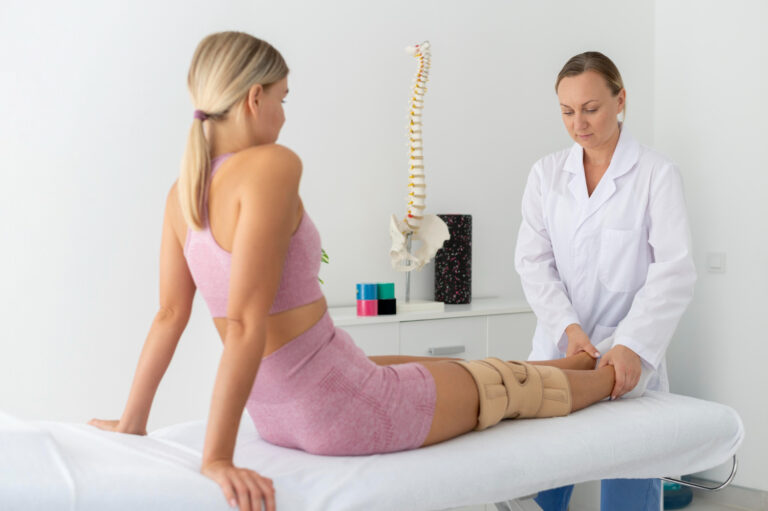
Proper diagnosis is the first step. A doctor may check posture, walking pattern, pelvic alignment, joint movement, muscle flexibility, and leg measurements. Imaging tests may also be recommended to measure the exact difference and understand bone alignment.
Without accurate diagnosis, the treatment may not address the actual cause. For example, a patient with functional imbalance may need physiotherapy and posture correction, while a patient with structural bone length difference may need a different approach.
Non-Surgical Treatment Options
Mild cases of limb length discrepancy may be managed without surgery. Shoe lifts are commonly used when the difference is small. They help balance the shorter side and reduce pressure on the spine, hips, and knees.
Physiotherapy may also help, especially when muscle tightness, pelvic tilt, or posture imbalance is involved. Exercises may focus on strengthening weak muscles, improving flexibility, correcting posture, and supporting better walking mechanics.
Non-surgical treatment can be useful for patients with mild symptoms or smaller differences. However, it may not be enough for larger discrepancies.
Surgical Correction Options
In more significant cases, limb length correction surgery may be considered. The treatment depends on the patient’s age, bone condition, exact difference, symptoms, and overall health.
Limb lengthening is one surgical method used to correct a shorter limb. In this procedure, the shorter bone is gradually lengthened under medical supervision. New bone forms slowly in the gap while the muscles and soft tissues adapt over time.
Surgical correction requires careful planning, regular follow-up, and rehabilitation. The aim is to improve alignment, walking balance, and functional mobility.
Role of Rehabilitation
Rehabilitation is important after limb length correction. Physiotherapy helps improve strength, flexibility, joint movement, walking confidence, and balance. Patients may need guided exercises, mobility training, strengthening routines, and regular monitoring.
Recovery depends on the treatment method, correction amount, healing response, and consistency with physiotherapy. A structured rehabilitation plan helps patients return to daily movement more safely.
Final Thoughts
Limb length discrepancy can affect more than just leg length. It may disturb posture, walking pattern, balance, and joint comfort. Patients looking for limb length discrepancy treatment in Gurgaon should begin with proper diagnosis and expert orthopedic evaluation.
Mild cases may improve with shoe lifts, physiotherapy, and posture correction, while more serious cases may need limb length correction surgery. With the right treatment plan and guided recovery, patients can work toward better balance, improved mobility, and more comfortable movement.