
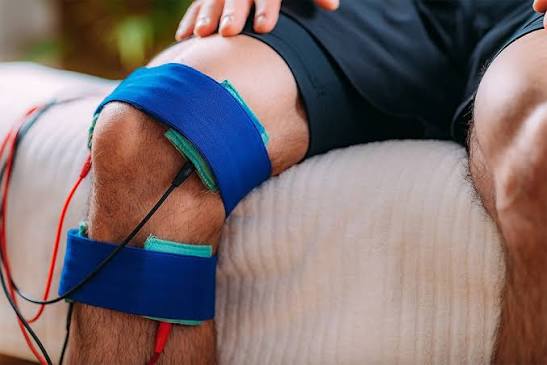
Knee pain is one of the most common musculoskeletal problems affecting people of all ages. Whether caused by injury, arthritis, overuse, sports activities, or age-related degeneration, knee pain can significantly impact mobility and quality of life. Fortunately, Knee Pain Physiotherapy Treatment offers a non-surgical and highly effective approach to reducing pain, restoring movement, and improving overall knee function.
Physiotherapy focuses on identifying the root cause of knee pain and developing a personalized treatment plan to address the underlying problem. Through targeted exercises, manual therapy, and rehabilitation techniques, physiotherapists help patients recover safely and prevent future injuries.
Understanding Knee Pain
The knee joint is one of the largest and most complex joints in the body. It supports body weight and allows movements such as walking, running, climbing stairs, and bending. Because of its constant use, the knee is vulnerable to injuries and wear-and-tear conditions.
Common causes of knee pain include:
- Osteoarthritis
- Ligament injuries (ACL, PCL, MCL, LCL)
- Meniscus tears
- Patellofemoral pain syndrome
- Tendinitis
- Bursitis
- Sports-related injuries
- Muscle weakness and joint instability
- Post-surgical recovery
Without proper treatment, knee pain can worsen over time and limit daily activities.
How Physiotherapy Helps in Knee Pain Treatment
Knee Pain Physiotherapy Treatment aims to reduce pain, improve flexibility, strengthen supporting muscles, and restore normal movement patterns. Physiotherapists assess the patient’s condition and create a customized rehabilitation program.
1. Pain Relief Techniques
Physiotherapists use several methods to reduce pain and inflammation, including:
- Manual therapy
- Soft tissue mobilization
- Ice and heat therapy
- Ultrasound therapy
- Electrical stimulation (TENS)
- Joint mobilization techniques
These treatments help relieve discomfort and promote faster healing.
2. Strengthening Exercises
Weak muscles around the knee can contribute to pain and instability. Physiotherapy includes exercises targeting:
- Quadriceps muscles
- Hamstrings
- Gluteal muscles
- Calf muscles
Strengthening these muscle groups improves joint support and reduces stress on the knee.
3. Flexibility and Mobility Training
Tight muscles and restricted joint movement can increase knee pain. Stretching and mobility exercises help:
- Improve range of motion
- Reduce stiffness
- Enhance joint flexibility
- Improve overall movement patterns
4. Balance and Stability Exercises
Balance training improves coordination and helps prevent falls or re-injury. These exercises are especially beneficial for older adults and athletes recovering from knee injuries.
5. Post-Surgical Rehabilitation
After procedures such as knee replacement or ligament reconstruction, physiotherapy plays a critical role in recovery by restoring strength, flexibility, and functional mobility.
Benefits of Knee Pain Physiotherapy Treatment
Choosing physiotherapy for knee pain management offers several advantages:
- Non-invasive treatment approach
- Reduced dependence on pain medications
- Improved joint mobility
- Enhanced muscle strength
- Faster recovery from injuries
- Better balance and coordination
- Prevention of future knee problems
- Improved quality of life
Many patients experience significant improvement with consistent physiotherapy sessions and adherence to home exercise programs.
Who Can Benefit from Knee Physiotherapy?
Knee physiotherapy is suitable for:
- Athletes with sports injuries
- Older adults with arthritis
- Individuals recovering from surgery
- Office workers with sedentary lifestyles
- People experiencing chronic knee pain
- Individuals with mobility limitations
Early intervention often leads to better outcomes and prevents long-term complications.
Conclusion
Knee pain can interfere with everyday activities and reduce overall well-being. However, with professional Knee Pain Physiotherapy Treatment, patients can achieve lasting pain relief, improved mobility, and enhanced physical function. A personalized physiotherapy program addresses the root cause of knee problems and promotes long-term recovery without relying solely on medications or surgery.
FAQs About Knee Pain Physiotherapy Treatment
1. What is Knee Pain Physiotherapy Treatment?
Knee Pain Physiotherapy Treatment involves specialized exercises, manual therapy, and rehabilitation techniques designed to reduce pain, improve mobility, and strengthen the knee joint.
2. How many physiotherapy sessions are needed for knee pain?
The number of sessions depends on the severity and cause of the condition. Mild cases may improve within a few weeks, while chronic conditions may require longer treatment.
3. Can physiotherapy help avoid knee surgery?
In many cases, physiotherapy can effectively manage symptoms and improve function, potentially reducing or delaying the need for surgery.
4. Is physiotherapy effective for knee arthritis?
Yes. Physiotherapy helps reduce pain, improve joint flexibility, strengthen muscles, and enhance mobility for individuals with knee arthritis.
5. Can I do knee physiotherapy exercises at home?
Yes. Physiotherapists often provide customized home exercise programs to support recovery and maintain long-term knee health.
6. Is physiotherapy safe after knee replacement surgery?
Absolutely. Post-operative physiotherapy is a crucial part of recovery and helps restore strength, mobility, and independence.
7. When should I seek physiotherapy for knee pain?
You should consult a physiotherapist if knee pain persists, limits daily activities, causes swelling, or affects your ability to walk and move comfortably.
8. Can physiotherapy help sports-related knee injuries?
Yes. Physiotherapy is highly effective for treating ligament injuries, meniscus tears, tendon problems, and other sports-related knee conditions.
