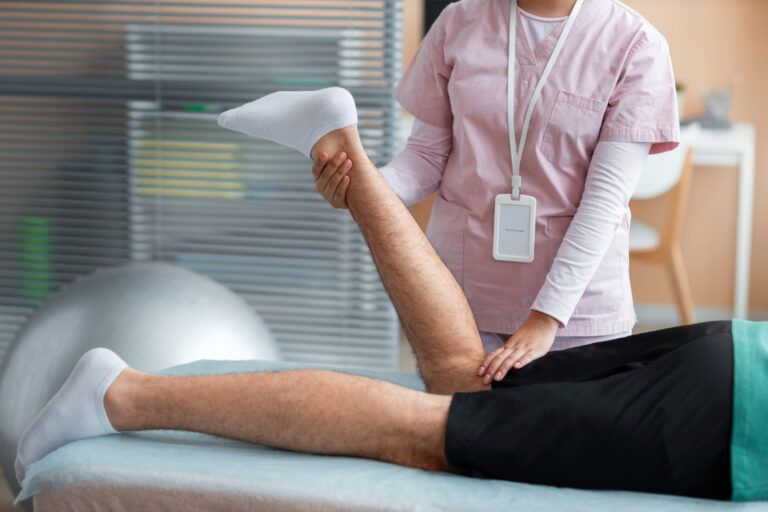
Limb lengthening surgery is a carefully planned orthopedic procedure, but the recovery journey does not end after surgery. In many cases, physiotherapy becomes one of the most important parts of healing. For patients looking for limb lengthening physiotherapy in Gurgaon, structured rehabilitation helps the body adjust to gradual bone lengthening, maintain joint movement, improve muscle strength, and support safe mobility.
During limb lengthening, the bone is slowly extended over time. While new bone forms in the gap, the surrounding muscles, tendons, nerves, joints, and soft tissues also need to adapt. This adjustment requires proper movement, guided exercises, and regular monitoring. Without physiotherapy, patients may experience stiffness, weakness, tightness, walking imbalance, or delayed recovery.
Why Physiotherapy Is Important After Limb Lengthening
Limb lengthening changes the structure of the leg gradually. As the bone length increases, muscles and joints are placed under new tension. Physiotherapy helps manage this change safely. It supports flexibility, improves blood circulation, reduces stiffness, and helps patients maintain better control over movement.
A proper limb lengthening recovery program in Gurgaon is not based on random exercises. Every exercise is selected according to the patient’s surgery stage, healing progress, pain level, bone condition, and mobility ability. This guided approach helps reduce unnecessary strain and supports a more organized recovery process.
Supporting Joint Flexibility
Joint stiffness is one of the most common concerns after limb lengthening surgery. The knee, ankle, and hip need regular movement to stay flexible. If stiffness develops, walking and standing can become more difficult.
Physiotherapy focuses on maintaining range of motion through controlled exercises. These may include ankle movements, knee bending, gentle stretching, leg raises, and guided mobility work. Regular movement helps the joints remain active while the bone continues to heal.
For patients undergoing rehabilitation after limb lengthening in Gurgaon, early attention to flexibility can make the recovery journey smoother and more comfortable.
Rebuilding Muscle Strength
After surgery, patients may not be able to move as freely as before. Reduced activity can lead to temporary muscle weakness. Physiotherapy helps rebuild strength gradually, especially in the thighs, calves, hips, and glute muscles.
Strengthening exercises are introduced step by step. In the early phase, the focus may be on gentle muscle activation. Later, the program may include more active strengthening, assisted standing, and balance exercises. The aim is to improve stability and prepare the patient for safer walking.
Muscle strength is important because it supports the joints, improves posture, and helps patients regain confidence during movement.
Improving Walking and Balance
Walking after limb lengthening surgery must be handled carefully. Some patients may need support while standing or walking. Physiotherapists guide patients on proper posture, safe weight shifting, balance control, and walking pattern.
This is where physical therapy after limb lengthening in Gurgaon becomes very useful. Gait training helps patients move in a more controlled and balanced way. It also helps reduce the risk of poor walking habits that may develop during recovery.
The goal is not just to walk again, but to walk safely with better balance, strength, and confidence.
Preventing Recovery Complications
Without proper post-surgery rehabilitation, patients may face issues such as muscle tightness, joint stiffness, reduced mobility, walking difficulty, or delayed functional recovery. Physiotherapy helps detect and manage these concerns early.
A structured plan allows the medical team to track progress and adjust exercises when needed. If a patient is experiencing tightness around the ankle, knee, or hip, the physiotherapy routine can be modified to address the problem. This helps prevent minor issues from becoming long-term challenges.
For guided information on recovery care, Height Increase Info shares helpful details about limb lengthening rehabilitation, physiotherapy support, mobility improvement, and post-surgery recovery planning.
Role of Physiotherapy in Bone Lengthening Recovery
Bone healing requires time, monitoring, and disciplined care. While physiotherapy does not replace medical treatment, it supports the overall recovery environment. Movement improves circulation, helps maintain muscle activity, and supports better functional outcomes.
During bone lengthening recovery in Gurgaon, patients may go through different recovery stages. The physiotherapy plan may change from gentle mobility exercises to strengthening, standing practice, balance work, and walking training. Each stage must be followed carefully under professional guidance.
Patient Discipline Matters
Physiotherapy works best when patients remain consistent. Exercises should be done as advised by the surgeon or physiotherapist. Skipping sessions or doing exercises incorrectly can slow recovery or increase discomfort.
Patients should also avoid rushing the process. Limb lengthening recovery takes time, and every patient heals differently. Regular follow-ups, X-rays, physiotherapy sessions, proper nutrition, and rest all support better recovery.
Final Thoughts
Limb lengthening physiotherapy plays a major role in safe recovery. It helps maintain flexibility, rebuild strength, improve walking balance, reduce stiffness, and support long-term mobility. Surgery begins the correction process, but rehabilitation helps patients move toward functional recovery.
For patients in Gurgaon, choosing a structured physiotherapy and rehabilitation plan after limb lengthening surgery can make the recovery journey more organized, safer, and more effective.