
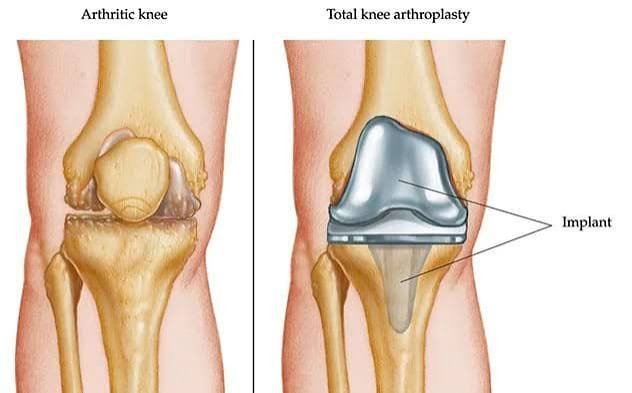
Arthroplasty, commonly known as joint replacement surgery, is a procedure performed to replace a damaged or severely affected joint with an artificial joint. It is often considered when conditions such as advanced osteoarthritis, severe joint damage, fractures, or long-term pain significantly affect mobility and daily activities. Hip, knee, and shoulder replacements are among the commonly performed forms of arthroplasty.
Recovery after arthroplasty does not end with surgery. A structured rehabilitation program plays an important role in helping patients restore movement, strength, balance, and confidence. Physiotherapy can be an essential part of this recovery process. Current clinical guidance supports early rehabilitation, appropriate mobility training, home exercises, and progressive strengthening after joint replacement.
Arthroplasty Treatment in Gurgaon
Patients searching for Arthroplasty Treatment in Gurgaon can benefit from a personalized physiotherapy program designed according to the type of joint replacement, surgical instructions, current mobility, pain level, and individual recovery goals.
The rehabilitation process generally begins with an assessment of movement, muscle strength, swelling, walking ability, balance, and functional limitations. Based on this assessment, the physiotherapist develops a progressive treatment plan.
For knee replacement rehabilitation, treatment may include range-of-motion exercises, strengthening, gait training, balance exercises, and functional activities. A recent clinical practice guideline recommends appropriately designed range-of-motion exercises, progressive strengthening, physical activity, and individualized rehabilitation following total knee arthroplasty.
Benefits of Physiotherapy After Arthroplasty
Physiotherapy can help patients work toward several important recovery goals, including:
- Improving joint mobility and flexibility
- Strengthening muscles around the replaced joint
- Improving walking and movement patterns
- Managing postoperative stiffness and swelling
- Improving balance and coordination
- Supporting independence with daily activities
- Gradually increasing physical activity
- Building confidence during movement
The exact exercises and progression should be determined by a qualified physiotherapist in coordination with the surgical team’s instructions.
What Does Arthroplasty Rehabilitation Include?
A rehabilitation program may include gentle mobility exercises, active and assisted range-of-motion movements, muscle strengthening, gait training, balance exercises, and functional training.
For example, after knee replacement, exercises may focus on gradually improving knee bending and straightening while rebuilding the strength of the quadriceps and surrounding muscles. After hip replacement, rehabilitation may focus on safe walking, strengthening, balance, and following movement precautions recommended by the surgeon.
For shoulder replacement, rehabilitation is different because the shoulder requires specific protection and gradual restoration of movement and strength. Therefore, patients should not follow a generic exercise program without professional assessment.
Importance of Early and Progressive Rehabilitation
Early rehabilitation can help patients begin moving safely and understand how to perform daily activities during recovery. NICE guidance recommends physiotherapy or occupational therapy rehabilitation after primary hip, knee, or shoulder replacement, ideally on the day of surgery or within 24 hours when possible.
As recovery progresses, exercises can be gradually advanced according to tolerance and medical guidance. Patients should avoid pushing through significant pain or performing movements that have not been cleared by their surgeon or physiotherapist.
Home Physiotherapy After Arthroplasty
Some patients may find traveling difficult during the early stages of recovery. Physiotherapy at home in Gurgaon can provide rehabilitation in a familiar environment and may be particularly convenient for patients with limited mobility after surgery. Home-based physiotherapy services can include post-surgical exercises, mobility training, balance work, and customized rehabilitation programs.
The physiotherapist can also assess practical challenges around the home, such as walking, sitting, standing, and using stairs, and provide appropriate guidance.
Choosing the Right Physiotherapy Support
Every arthroplasty patient has different rehabilitation needs. The recovery plan should consider the joint that was replaced, the patient’s age and fitness level, surgical technique, medical history, pain, mobility, and progress.
A professional physiotherapy service can provide an individualized approach rather than relying on the same exercises for every patient. The physiotherapy team at Physiotherapist in Gurgaon provides post-surgical rehabilitation and orthopedic physiotherapy services focused on improving mobility, strength, and function.
Frequently Asked Questions
1. What is arthroplasty?
Arthroplasty is a surgical procedure in which a damaged joint is repaired or replaced, commonly with an artificial joint. Hip, knee, and shoulder replacement are common examples.
2. Is physiotherapy necessary after arthroplasty?
Physiotherapy is an important component of rehabilitation for many patients after joint replacement. It helps with safe movement, strength, mobility, and functional recovery. The rehabilitation plan should follow the surgeon’s instructions and the patient’s individual needs.
3. How soon can physiotherapy begin after joint replacement?
Rehabilitation may begin very soon after surgery when medically appropriate. NICE recommends rehabilitation on the day of surgery if possible and no later than 24 hours after primary hip, knee, or shoulder replacement.
4. How long does arthroplasty rehabilitation take?
Recovery varies from person to person. The timeline depends on the joint replaced, overall health, strength, surgical recovery, and progress with rehabilitation. Some patients require physiotherapy for several weeks or months.
5. Can I receive physiotherapy at home after arthroplasty?
Yes. Home physiotherapy can be a convenient option for patients who have difficulty traveling after surgery. Treatment can be customized around mobility, strength, balance, and daily functional goals.
6. When can I walk normally after joint replacement?
Walking recovery varies depending on the joint replaced and individual circumstances. Patients should follow their surgeon’s weight-bearing instructions and progress with guidance from their physiotherapist.
7. Can physiotherapy improve joint movement after arthroplasty?
Yes. Appropriate mobility and range-of-motion exercises are commonly included in rehabilitation. For total knee replacement, clinical guidance supports active, assisted, and passive range-of-motion interventions when appropriate.
8. Where can I find Arthroplasty Treatment in Gurgaon?
Patients looking for Arthroplasty Treatment in Gurgaon can consult a qualified physiotherapy professional for an individualized post-surgical rehabilitation plan. The treatment should be based on the type of replacement, surgical recommendations, and the patient’s recovery progress.
Conclusion
Successful recovery after arthroplasty involves more than the surgical procedure itself. Appropriate rehabilitation can help patients gradually regain mobility, strength, balance, and independence. Whether recovering from knee, hip, or shoulder replacement, a personalized physiotherapy program can provide structured support throughout the recovery journey.
