
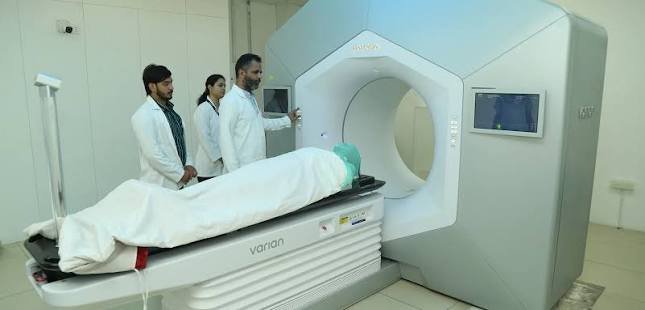
A cancer diagnosis can bring many questions about treatment, recovery, and the next steps. Finding a qualified radiation oncologist near me can help patients understand their treatment options and make informed decisions about their care. Radiation oncologists are specialized doctors who use radiation therapy to treat certain types of cancer, control tumor growth, and help relieve cancer-related symptoms.
What Is Radiation Oncology?
Radiation oncology is a medical specialty that focuses on using carefully planned radiation treatments to manage cancer. Depending on the patient’s condition, radiation therapy may be recommended alone or alongside surgery, chemotherapy, or other cancer treatments. The treatment plan depends on factors such as cancer type, stage, tumor location, and overall health.
A radiation oncologist evaluates medical reports, discusses potential benefits and risks, and develops an individualized treatment plan. The specialist also monitors progress and helps manage possible side effects throughout treatment.
Why Search for a Radiation Oncologist Near Me?
Searching for a radiation oncologist near me can help patients identify specialists and cancer treatment centers in their area. Choosing a suitable specialist involves more than location. Patients should consider the doctor’s qualifications, experience with their particular cancer type, available treatment technology, communication style, and coordination with other healthcare professionals.
Convenient access to appointments may also make it easier to attend regular treatment sessions and follow-up visits. Patients should discuss travel requirements, expected treatment schedules, costs, and available support services before beginning care.
What Conditions Can Radiation Therapy Treat?
Radiation therapy may be used for several types of cancer, including breast, lung, prostate, head and neck, and certain brain cancers. It may be recommended to destroy cancer cells, reduce the risk of cancer returning after surgery, shrink a tumor before another treatment, or relieve symptoms in some advanced cancers.
Not every patient needs radiation therapy. A qualified specialist will assess individual medical circumstances and explain whether this approach is appropriate.
What Happens During Radiation Therapy?
Before treatment begins, the radiation oncology team reviews medical records and imaging reports. Additional scans or a planning appointment may be required to identify the treatment area accurately.
During external beam radiation therapy, a machine directs radiation toward the planned area. Treatments are generally delivered over multiple sessions, although the schedule varies according to the patient’s diagnosis and treatment plan.
Possible side effects depend on the body area being treated, the radiation dose, and other individual factors. These may include fatigue, skin changes, or effects specific to the treated area. The medical team can explain what to expect and recommend ways to manage side effects.
How to Find the Right Radiation Oncology Specialist
When looking for a radiation oncologist, consider the following steps:
- Check the specialist’s qualifications and relevant clinical experience.
- Ask whether the center treats your specific cancer type.
- Discuss available radiation therapy techniques and treatment planning.
- Understand the expected schedule, possible side effects, and follow-up requirements.
- Ask about treatment costs, insurance coverage, and patient support services.
- Bring previous scans, pathology reports, prescriptions, and medical records to your consultation.
Frequently Asked Questions (FAQs)
1. What does a radiation oncologist do?
A radiation oncologist is a doctor who specializes in treating cancer with radiation therapy. The specialist assesses whether radiation may be appropriate, develops a treatment plan, monitors progress, and helps manage treatment-related side effects.
2. When should I consult a radiation oncologist?
You may be referred to a radiation oncologist after a cancer diagnosis or when your cancer care team believes radiation therapy could be beneficial. Your treating doctor can help determine the appropriate time for consultation.
3. How can I find a radiation oncologist near me?
Search for radiation oncology specialists and cancer treatment centers in your city. Review their qualifications, relevant experience, available facilities, and consultation options. You can also explore the radiation oncology directory on TopDoctorNearMe.
4. Is radiation therapy painful?
External beam radiation therapy is generally painless while the radiation is being delivered. However, side effects can develop during or after treatment, depending on the treatment area and individual circumstances. Your specialist can explain possible effects before treatment begins.
5. How many radiation therapy sessions are required?
The number of sessions varies according to the cancer type, treatment goal, radiation technique, and individual treatment plan. Some patients need only a few sessions, while others require treatment over several weeks.
6. What should I bring to my first appointment?
Bring available medical records, imaging reports, biopsy or pathology results, current medication details, referral documents, and a list of questions. Ask the clinic whether any additional documents are required.
7. Can radiation therapy be combined with other cancer treatments?
Yes. Depending on the diagnosis, radiation therapy may be used alongside surgery, chemotherapy, or other treatments. The cancer care team determines the most appropriate combination and timing for each patient.
Conclusion
Finding a suitable radiation oncologist near me is an important step toward understanding available cancer treatment options. Patients should look for qualified specialists who explain treatment benefits, potential risks, expected schedules, and follow-up care clearly. With appropriate medical guidance and coordinated care, patients can make better-informed decisions throughout their treatment journey.
