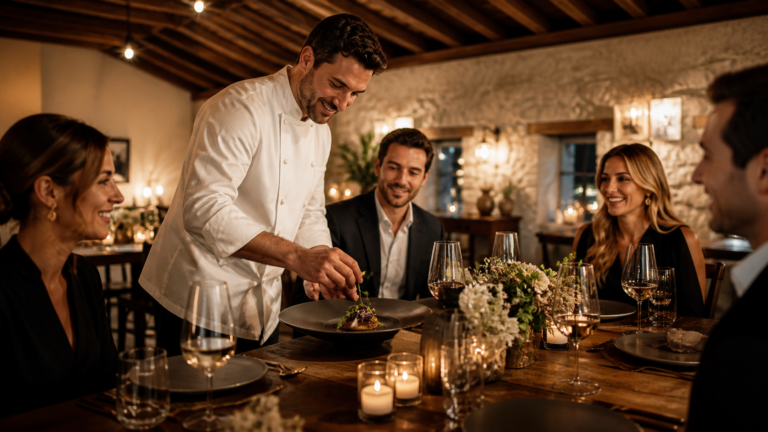
Hiring a private chef is often seen as the peak of luxury living. The idea is simple restaurant-quality food, personalized menus, and a relaxed dining experience in your own space. But surprisingly, many private chef experiences don’t live up to expectations.
The food may be good, but the experience feels incomplete. Service is slow, coordination is off, or the overall flow doesn’t match the premium feel people expect.
So what goes wrong?
The truth is, a private chef experience is not just about cooking. It’s about execution, planning, and coordination. When any of these elements are missing, even the best chef cannot deliver a flawless experience.
Let’s break down the real reasons why most private chef setups fail and how you can avoid them.
The Biggest Misconception: It’s Not Just About the Chef
Many people believe that hiring a private chef automatically guarantees a perfect evening. In reality, the chef is only one part of a larger system.
A successful dining experience depends on:
- Menu planning
- Ingredient preparation
- Timing and course flow
- Service and guest interaction
- Overall event coordination
When these elements don’t work together, the experience feels disjointed rather than luxurious.
1. Poor Menu Planning
One of the most common mistakes is vague or rushed menu planning.
Clients often:
- Leave everything to the chef without clear input
- Don’t communicate guest preferences
- Ignore dietary restrictions
This leads to a mismatch between expectations and reality. The dishes may be technically good, but they don’t feel personalized.
How to Avoid It
Take time to plan the menu properly:
- Share clear preferences (cuisine, style, spice levels)
- Inform about allergies or dietary needs
- Ask for a structured multi-course flow
A well-planned menu sets the tone for the entire experience.
2. No Service Support
A private chef working alone can cook excellent food, but cannot manage everything else at the same time.
Without service staff:
- Guests wait too long between courses
- Plating becomes rushed
- Table clearing and refilling slows down
This breaks the rhythm of the evening.
How to Avoid It
For anything beyond 3–4 guests, consider adding:
- Professional servers
- A butler or event assistant
This ensures smooth service and allows the chef to focus on cooking.
3. Lack of Timing and Flow
In fine dining, timing is everything.
Common issues include:
- Courses served too quickly or too slowly
- Guests left waiting without engagement
- Kitchen and service not aligned
Even great food loses impact if timing is off.
How to Avoid It
- Create a clear event timeline
- Coordinate between chef and service team
- Assign someone to oversee the flow
A well-paced dinner feels effortless and refined.
4. Choosing the Wrong Type of Chef
Not all private chefs offer the same level of experience.
Some may be:
- Strong in cooking but weak in presentation
- Used to kitchen environments but not guest interaction
- Lacking experience in high-end service settings
This results in a gap between food quality and overall experience.
How to Avoid It
- Check real experience, not just photos
- Ask about previous private events
- Choose chefs with hospitality or fine dining background
Skill in cooking is important, but so is experience in delivering premium service.
5. Ignoring the Experience Factor
Many people focus only on food and forget everything else.
But a luxury dining experience includes:
- Table setup and presentation
- Lighting and ambience
- Guest interaction
- Service etiquette
Without these, it feels like a normal meal rather than a curated experience.
How to Avoid It
Think beyond the menu:
- Set up the dining space thoughtfully
- Ensure clean, elegant presentation
- Pay attention to small details
These elements elevate the entire experience.
6. Last-Minute Planning
Private chef experiences require preparation. When everything is arranged at the last minute, quality often suffers.
Problems include:
- Limited menu options
- Poor ingredient sourcing
- Unavailable support staff
This leads to compromises that affect the final result.
How to Avoid It
- Plan at least a few days in advance
- Confirm menu and setup early
- Avoid rushed decisions
Good planning directly improves execution.
7. No Clear Leadership
In many failed setups, there is no clear person managing the event.
This leads to:
- Confusion among staff
- Miscommunication
- Lack of coordination
Even small issues become noticeable.
How to Avoid It
- Assign a lead (chef, butler, or event manager)
- Define responsibilities clearly
- Keep communication simple
A well-managed event always feels smoother.
What Successful Hosts Do Differently
In high-end settings, people rarely rely on a chef alone. Instead, they create a complete experience.
A typical premium setup includes:
- Private chef for cooking
- Service staff for guest handling
- A coordinator or butler for overall flow
This combination ensures:
- Better timing
- Professional service
- Stress-free hosting
In the UAE, many hosts prefer working with experienced providers like Elite Butlers, who understand how to combine culinary expertise with seamless service execution.
Meal vs Experience: The Real Difference
A private chef can prepare a great meal.
But a luxury experience requires:
- Structure
- Coordination
- Attention to detail
This is where most setups fail not in cooking, but in execution.
Final Thoughts
Most private chef experiences fail because people underestimate what goes into making them successful.
It’s not just about hiring a chef. It’s about creating a system where everything works together smoothly.
When you:
- Plan the menu carefully
- Add the right support staff
- Focus on timing and presentation
You move from a simple dinner to a truly memorable experience.
That’s the difference between something that feels ordinary and something that feels exceptional.