
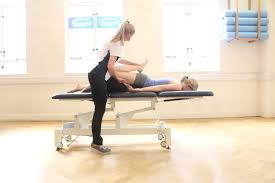
Hip pain is a common condition that affects people of all ages. It can result from injuries, arthritis, muscle strain, poor posture, sports activities, or age-related degeneration. Persistent hip pain can interfere with daily activities such as walking, climbing stairs, sitting, and exercising. Fortunately, Hip Pain Physiotherapy Treatment offers a non-invasive and highly effective approach to managing pain, restoring mobility, and improving overall quality of life.
Physiotherapy focuses on identifying the root cause of hip pain rather than simply masking symptoms. Through personalized assessment and treatment plans, physiotherapists help patients recover faster and prevent future complications.
Understanding Hip Pain
The hip joint is one of the largest weight-bearing joints in the body. It supports movement and stability during various activities. When the muscles, ligaments, tendons, or bones around the hip become injured or inflamed, pain and stiffness may develop.
Common causes of hip pain include:
- Osteoarthritis
- Hip bursitis
- Muscle strains and ligament injuries
- Tendinitis
- Sciatica-related pain
- Hip impingement syndrome
- Sports injuries
- Post-surgical recovery
- Age-related wear and tear
Ignoring hip pain can lead to reduced mobility and chronic discomfort. Early intervention with physiotherapy can significantly improve recovery outcomes.
How Hip Pain Physiotherapy Treatment Helps
Hip Pain Physiotherapy Treatment aims to reduce pain, improve flexibility, strengthen muscles, and restore normal joint function. A physiotherapist conducts a detailed assessment to determine the underlying cause and develops a customized treatment plan.
Key benefits of physiotherapy for hip pain include:
Pain Relief
Physiotherapists use techniques such as manual therapy, soft tissue mobilization, stretching exercises, and therapeutic modalities to reduce pain and inflammation naturally.
Improved Mobility
Hip stiffness can limit movement and affect daily activities. Targeted mobility exercises help restore the joint’s range of motion and improve flexibility.
Muscle Strengthening
Weak muscles around the hip can increase stress on the joint. Strengthening exercises focus on the glutes, hip flexors, quadriceps, hamstrings, and core muscles to provide better support and stability.
Enhanced Balance and Stability
Physiotherapy programs often include balance and coordination training, reducing the risk of falls and improving functional performance.
Prevention of Future Injuries
By correcting posture, movement patterns, and muscle imbalances, physiotherapy helps prevent recurring hip problems.
Common Physiotherapy Techniques for Hip Pain
A comprehensive treatment plan may include:
- Manual therapy and joint mobilization
- Stretching exercises
- Strength training programs
- Postural correction
- Gait training
- Functional rehabilitation exercises
- Heat and cold therapy
- Electrotherapy techniques
- Home exercise programs
The combination of these treatments helps patients achieve long-term pain relief and improved physical function.
Online Physiotherapy for Hip Pain
With the advancement of digital healthcare, patients can now access professional physiotherapy services remotely. Through Online Physiotherapy Services, individuals receive expert guidance, exercise demonstrations, progress monitoring, and personalized rehabilitation plans from the comfort of their homes.
Online consultations are particularly beneficial for individuals with mobility limitations, busy schedules, or those living in remote locations.
Who Can Benefit from Hip Pain Physiotherapy Treatment?
Physiotherapy can help:
- Older adults with arthritis-related hip pain
- Athletes recovering from sports injuries
- Office workers experiencing posture-related discomfort
- Individuals recovering from hip surgery
- People suffering from chronic hip stiffness and pain
- Patients with mobility and balance issues
Early physiotherapy intervention often leads to faster recovery and better long-term outcomes.
Conclusion
Hip pain can significantly affect your daily routine and overall well-being. However, with the right treatment approach, most individuals can regain mobility and live pain-free. Hip Pain Physiotherapy Treatment provides a safe, effective, and drug-free solution for reducing pain, improving strength, and restoring function. Whether you are dealing with a recent injury or chronic hip discomfort, physiotherapy can help you return to an active and healthy lifestyle.
FAQs About Hip Pain Physiotherapy Treatment
1. What is Hip Pain Physiotherapy Treatment?
Hip Pain Physiotherapy Treatment involves specialized exercises, manual therapy, and rehabilitation techniques designed to reduce pain, improve mobility, and strengthen the hip joint.
2. How long does physiotherapy take to relieve hip pain?
The duration varies depending on the condition’s severity. Many patients notice improvement within a few weeks, while chronic conditions may require longer treatment.
3. Can physiotherapy help avoid hip surgery?
In many cases, physiotherapy can effectively manage symptoms and improve function, potentially delaying or avoiding the need for surgery.
4. Is online physiotherapy effective for hip pain?
Yes. Online physiotherapy provides guided exercises, expert consultations, and personalized treatment plans that can effectively support recovery.
5. What exercises are commonly recommended for hip pain?
Common exercises include hip stretches, glute strengthening, core stability exercises, and range-of-motion activities prescribed by a physiotherapist.
6. Can physiotherapy help with arthritis-related hip pain?
Yes. Physiotherapy helps reduce stiffness, improve joint mobility, strengthen supporting muscles, and manage pain associated with hip arthritis.
7. Is Hip Pain Physiotherapy Treatment safe for seniors?
Absolutely. Treatment plans are customized according to age, fitness level, and medical condition to ensure safety and effectiveness.
8. When should I see a physiotherapist for hip pain?
You should seek physiotherapy if hip pain persists for more than a few days, limits movement, affects daily activities, or worsens over time.
