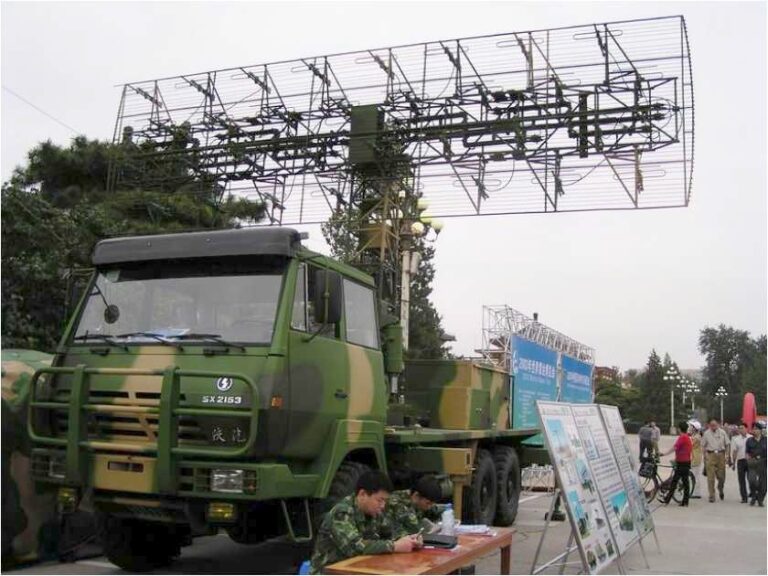
Reports circulating in defense and security circles have drawn attention to the performance of the Chinese-made JY-27 air surveillance radar deployed in Venezuela. The system, supplied by China, is part of Venezuela’s broader air defense infrastructure and has been promoted as capable of long-range detection, including against low-observable aircraft.
While no official confirmation has been issued by either government, the reports have triggered discussion about the operational effectiveness of Chinese air defence technology in real-world conditions.
Background on the JY-27 System
The JY-27 is a very-high-frequency (VHF) radar designed for early warning and wide-area air surveillance. Chinese manufacturers have marketed the system as resistant to electronic countermeasures and suitable for detecting stealth platforms. Several countries have reportedly procured the system as a lower-cost alternative to Western air defense solutions.
Venezuela integrated the radar into its national air defense network as part of efforts to modernize military capabilities amid long-standing restrictions on access to Western defense equipment.
Nature of the Reported Issues
According to defense analysts, the reported concerns do not necessarily point to a single equipment malfunction. Instead, they may reflect broader challenges related to deployment, system integration, and operational readiness.
Possible contributing factors cited include:
- Difficulties integrating the radar with command-and-control systems
- Maintenance and calibration constraints
- Environmental and terrain-related interference
- Limited access to ongoing technical support or advanced operator training
Experts note that advanced radar systems are highly dependent on network coordination and trained personnel, and performance issues can arise even when core hardware functions as intended.
Wider Implications for Defense Exports
The reports have attracted attention beyond Venezuela, particularly among countries considering Chinese defense systems as alternatives to Western or Russian equipment. China has positioned its military exports as modern, reliable, and cost-efficient, making operational credibility a key factor in future sales.
Defense observers caution, however, that isolated reports should be assessed carefully. Military technology performance varies significantly depending on how systems are deployed, maintained, and supported over time.
No Official Response So Far
As of now, neither Venezuelan defense authorities nor Chinese manufacturers have issued public statements addressing the claims. In the absence of verified details, analysts emphasize the importance of distinguishing between confirmed failures and unverified reports.
Conclusion
The discussion surrounding the JY-27 radar in Venezuela highlights the complexities of deploying advanced air defense systems. Whether the reported issues stem from technical limitations or operational challenges, the situation underscores the gap that can exist between advertised capabilities and field performance.
For defense exporters and buyers alike, real-world deployment outcomes are likely to remain a decisive factor in shaping future procurement decisions.