
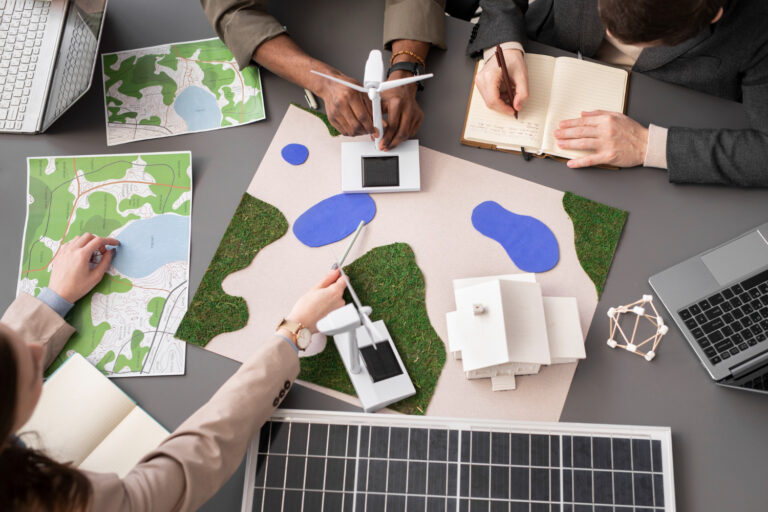
For years, technology has focused on creating smart devices smartphones, smart TVs, smartwatches, and smart home gadgets. But in 2026, a new shift is emerging: smart environments.
Instead of interacting with individual devices, people are beginning to experience spaces that respond intelligently to their needs. This evolution is changing how we live, work, and interact with technology.
What Are Smart Environments?
A smart environment is a space where technology is seamlessly integrated into the surroundings, allowing systems to operate automatically without constant user input.
Unlike smart devices that require direct interaction, smart environments work in the background using sensors, data, and automation.
Examples include:
- Lights adjusting based on natural daylight
- Temperature changing according to your preferences
- Doors unlocking as you approach
- Music or ambiance adapting to your mood
The goal is to make technology invisible yet effective.
Why Smart Devices Are Being Replaced
Smart devices were designed to give users control, but they often require manual interaction, frequent updates, and attention.
1. Too Many Devices, Too Much Control
Managing multiple devices can become overwhelming. Each app, setting, and notification adds complexity.
2. User Effort is Still Required
Even “smart” devices need commands, inputs, or manual adjustments.
3. Lack of True Integration
Devices often work independently rather than as a unified system.
Smart environments solve these issues by creating a connected ecosystem where everything works together automatically.
How Smart Environments Work
Smart environments rely on a combination of technologies:
- Sensors to detect movement, temperature, and light
- Artificial Intelligence to learn user behavior
- Automation Systems to trigger actions
- Connectivity (IoT) to link all components
These technologies allow environments to adapt in real time without constant user interaction.
Real-Life Examples of Smart Environments
✔ Smart Homes
Lights, climate, and appliances adjust automatically based on your routine.
✔ Smart Offices
Workspaces optimize lighting, seating, and temperature to improve productivity.
✔ Smart Cities
Traffic systems, public lighting, and utilities operate efficiently based on real-time data.
✔ Healthcare Spaces
Hospitals use smart environments to monitor patients and improve care delivery.
Benefits of Smart Environments
1. Effortless Convenience
Everything works automatically, reducing the need for manual control.
2. Better Energy Efficiency
Systems optimize energy usage, reducing waste and costs.
3. Personalized Experiences
Environments adapt to individual preferences and behaviors.
4. Reduced Digital Distraction
With fewer devices to manage, users experience less digital overload.
Challenges to Consider
While smart environments offer many benefits, there are also challenges:
- Privacy concerns due to constant data collection
- High initial setup costs
- Dependence on stable internet and systems
- Need for strong cybersecurity measures
These challenges must be addressed for widespread adoption.
The Future of Living and Working
The future is moving toward ambient technology—technology that exists around us rather than in our hands.
In the coming years, we may see:
- Homes that fully adapt to daily routines
- Offices that enhance focus automatically
- Cities that manage resources intelligently
- Minimal need for screens or manual controls
Technology will become less visible but more powerful.
Conclusion
Smart environments represent the next evolution of technology. Instead of relying on multiple devices, we are moving toward intelligent spaces that simplify life automatically.
In 2026 and beyond, the focus is not on having more gadgets it’s about creating environments that understand and respond to us.
The future of technology is not in our hands it’s all around us.
