

Introduction
As climate change accelerates, scientists and governments are exploring bold technologies to reduce global warming. One of the most debated and innovative solutions is solar geoengineering – a method designed to reflect a portion of sunlight back into space to cool the Earth.
While still experimental, this technology could become a critical tool in fighting rising temperatures. But how does it work? And is it safe?
Let’s break it down.
What is Solar Geoengineering?


4
Solar geoengineering refers to technologies that aim to reduce the amount of solar radiation absorbed by the Earth.
In simple terms:
It tries to cool the planet by reflecting sunlight away
This approach does not reduce greenhouse gases directly but helps manage temperature rise temporarily.
How Solar Geoengineering Works
There are multiple proposed techniques:
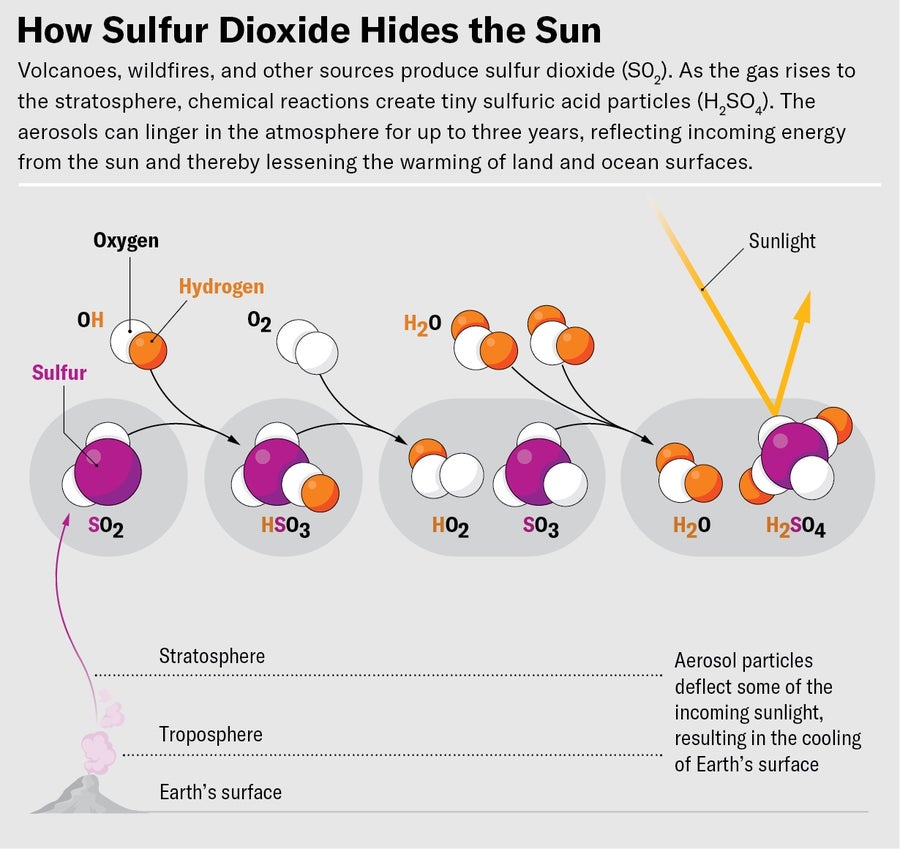
1. Stratospheric Aerosol Injection (SAI)
4
This is the most widely discussed method.
- Tiny reflective particles (like sulfur dioxide) are released into the upper atmosphere
- These particles reflect sunlight back into space
- Mimics natural cooling after volcanic eruptions
Example: After major volcanic eruptions, global temperatures temporarily drop
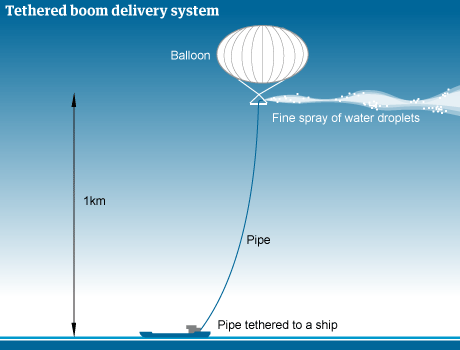
2. Marine Cloud Brightening

4
- Sea salt particles are sprayed into clouds
- Makes clouds whiter and more reflective
- Reflects more sunlight away from Earth
3. Space-Based Reflectors (Concept Stage)
4
- Giant mirrors or shields placed in space
- Reduce the amount of sunlight reaching Earth
Still highly theoretical due to high costs
Benefits of Solar Geoengineering
1. Rapid Temperature Reduction
Unlike emission cuts, it could cool Earth within years
2. Cost-Effective (Compared to Some Alternatives)
Some methods (like aerosol injection) are relatively low-cost
3. Emergency Climate Solution
Could act as a backup plan if global warming becomes extreme
Risks and Concerns
Solar geoengineering is highly controversial.
1. Does Not Solve Root Problem
It doesn’t reduce CO₂ -only masks the effects
2. Climate Side Effects
Could disrupt:
- Rainfall patterns
- Monsoons
- Agriculture cycles
3. Global Political Issues
Who controls the climate?
One country’s action could impact others
4. Sudden Stop Risk
If stopped abruptly, temperatures could rise rapidly
Current Research and Experiments

4
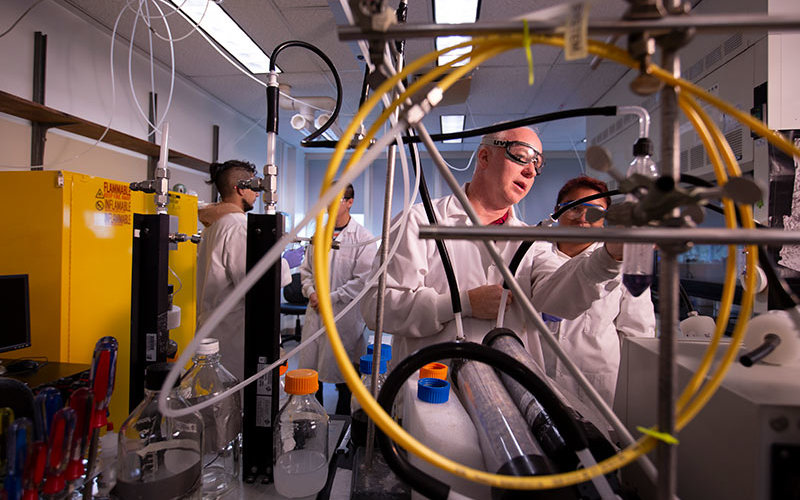
- Scientists are conducting small-scale experiments
- Governments are funding climate engineering research
- No large-scale deployment yet
Most projects are still in testing and ethical debate stages
Solar Geoengineering vs Climate Change Solutions
| Solution | Impact | Speed | Risk |
|---|---|---|---|
| Renewable Energy | High | Slow | Low |
| Carbon Capture | Medium | Medium | Medium |
| Solar Geoengineering | High | Fast | High |
It is not a replacement – but a supporting technology
Future of Solar Geoengineering
Experts believe:
- It may be used as a temporary climate stabilizer
- Combined with emission reduction strategies
- Requires global regulations and agreements
The future depends on science, policy, and global cooperation
Conclusion
Solar geoengineering represents one of the most ambitious attempts to control Earth’s climate. While it offers potential for rapid cooling, it also carries significant risks and ethical concerns.
The key takeaway:
It is not a solution alone, but possibly part of a broader climate strategy.
Final Thought (For Readers)
As technology evolves, humanity faces a critical choice:
Should we engineer the planet -or change our behavior?
